.png)
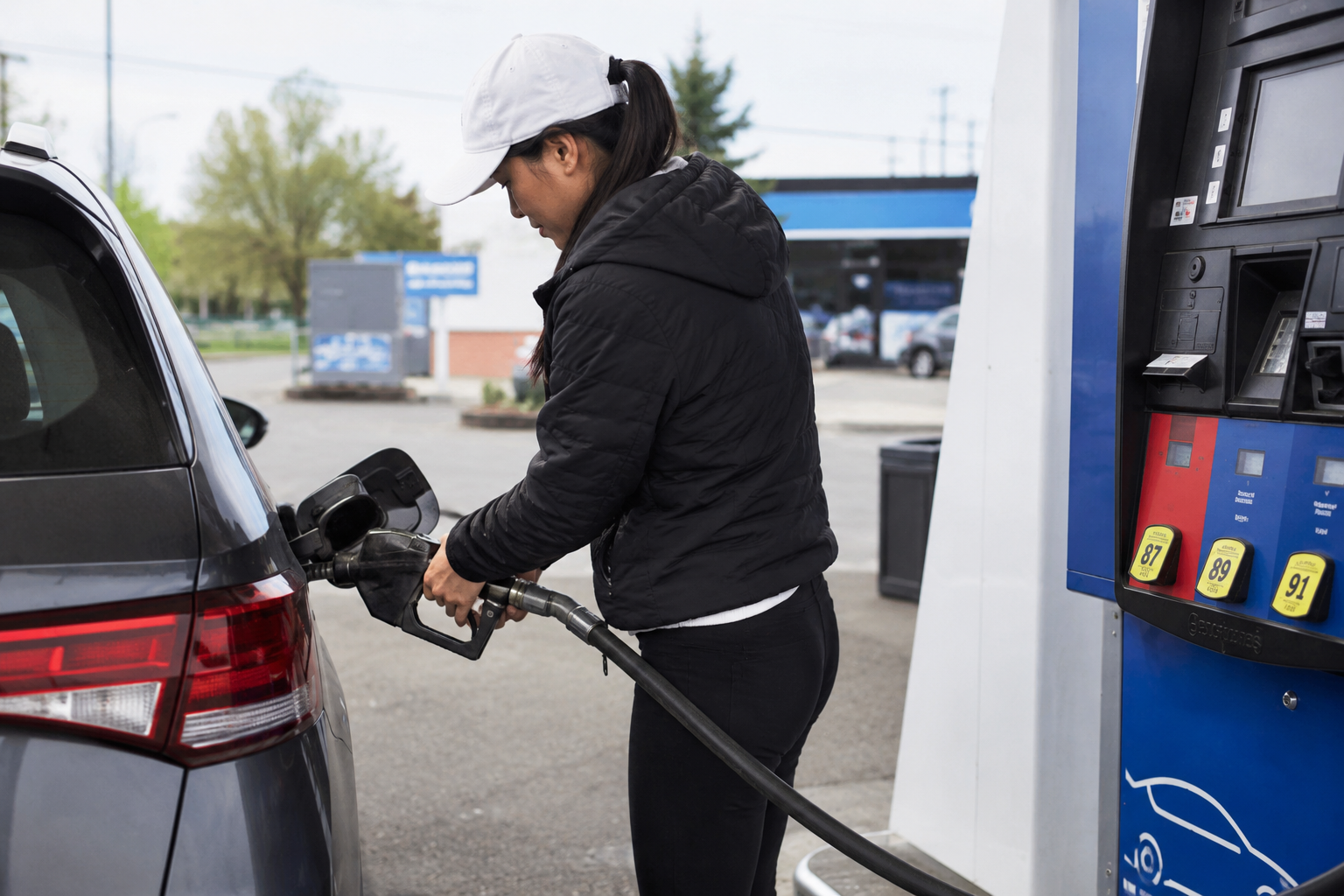
⛽ Lower Gas Prices Helped Bring Inflation Down
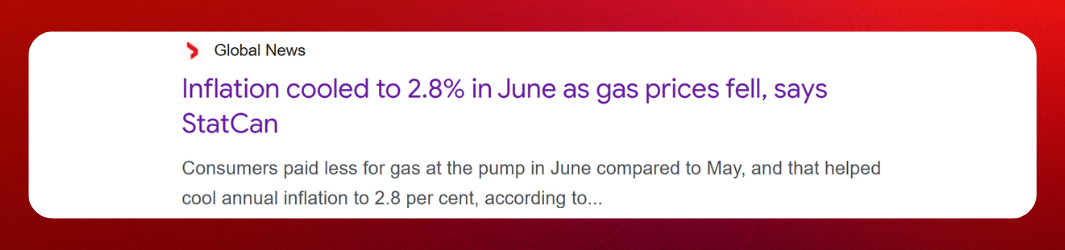
Canada's annual inflation rate slowed to 2.8% in June, down from 3.2% in May, according to the latest Consumer Price Index (CPI) released by Statistics Canada.
The biggest reason for the slowdown was a drop in gas prices. After climbing throughout the spring due to conflict in the Middle East, fuel prices declined in June as tensions temporarily eased and global oil prices fell.
However, recent geopolitical tensions have pushed gas prices higher again in recent weeks.
📊 Inflation Was Stable Without Gas Prices
When gas prices are excluded, inflation remained unchanged at 2.2% from May to June.
This suggests that while lower fuel costs helped reduce the overall inflation rate, prices for many other goods and services stayed relatively steady.
🛒 Grocery Prices Are Still Rising
Food prices continued to increase, but at a slower pace than the month before.
🥦 Grocery inflation slowed to 3.9%, down from 4.3% in May.
📉 Fresh fruit prices, especially grapes, didn't rise as quickly.
🍗 However, prices increased faster for:
Chicken
Certain bakery products
Frozen foods
Even with the slowdown, grocery inflation has remained higher than Canada's overall inflation rate for 17 consecutive months.
✈️ Travel Became More Expensive
Travel costs climbed significantly in June, largely due to increased demand surrounding FIFA World Cup events held in Toronto and Vancouver.
Some of the biggest increases included:
🏨 Hotel and accommodation prices rose by about 20% year-over-year in Ontario and British Columbia.
🚗 Rental vehicle prices also increased.
✈️ Airfare jumped 9.6%, marking the largest annual increase in more than three years.
Statistics Canada says higher jet fuel prices and stronger domestic travel demand contributed to the increase.
🏦 What This Means for the Bank of Canada
The Bank of Canada has now held its key interest rate at 2.25% for six consecutive meetings while monitoring inflation.
Since inflation remains within the Bank's target range of 1% to 3%, policymakers continue to take a cautious approach.
During last week's rate announcement, the Bank also noted there is little evidence that higher oil prices caused by the Iran conflict are spreading into broader inflation across the economy.
🏡 What This Means for Homebuyers and Sellers
Cooling inflation may help support more stable mortgage rates over time, even if it doesn't lead to an immediate rate cut.
For buyers, improving affordability could boost confidence, but it may also bring more competition as more people enter the market.
For sellers, stronger buyer confidence can increase demand, especially for well-priced homes.
As always, local market conditions matter most. Buyers and sellers should consider recent sales, inventory levels, and neighbourhood trends rather than relying on national headlines alone.
